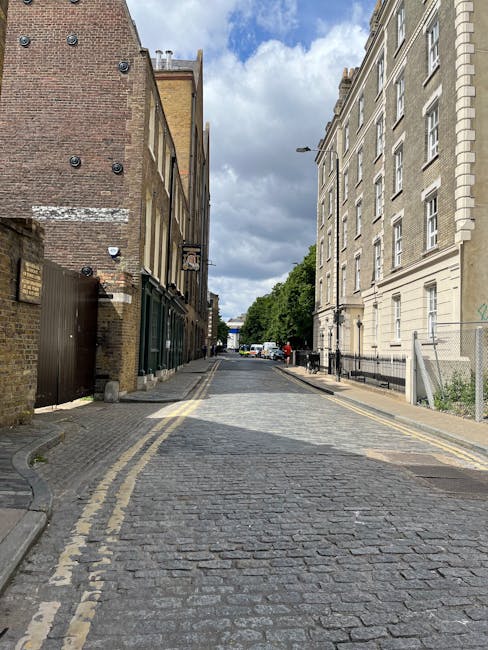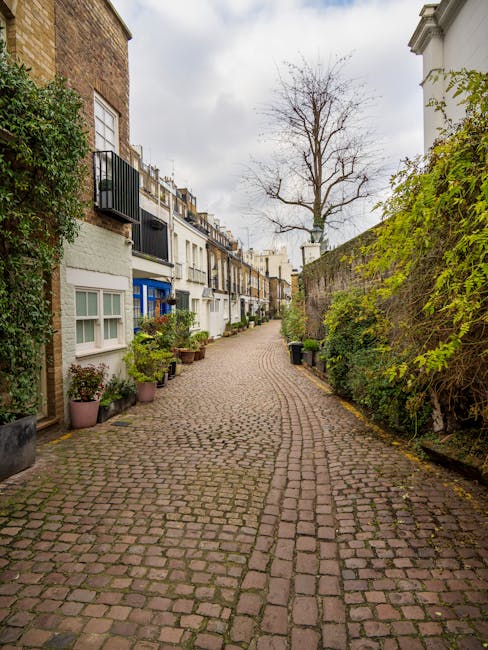
Haverstock Hill Narrow Street Removals Expert Tips: A Practical Guide for Tight Access Moves
Moving house or flat on Haverstock Hill can feel straightforward right up until you meet the street itself. Narrow carriageways, parked cars, awkward turning space, stairs that seem to go on forever, and neighbours trying to get past with a pram or shopping bags. That is where Haverstock Hill narrow street removals expert tips make a real difference. With the right planning, a tight-access move can be calm, quick, and far less stressful than people expect.
This guide brings together the practical stuff that actually helps: how to plan around restricted access, what to pack first, how to load safely, when to use a smaller vehicle, and which mistakes tend to cause delays. If you are weighing up different moving options, you will also find a few useful internal resources, including man and van services, flat removals, and pricing and quotes to help you decide what fits your move.
Truth be told, narrow street removals are less about brute force and more about timing, coordination, and not underestimating the street outside your front door. It sounds simple. It rarely is.
Why Haverstock Hill narrow street removals expert tips Matters
Narrow street moves are a different sort of challenge. On a wide suburban road, the van can pull in, the team can load directly, and everyone keeps moving. On a tighter London street, every small decision matters: where the vehicle stops, how long loading takes, whether the sofa can get around the corner, and whether neighbours can still pass safely.
Haverstock Hill brings together a few familiar London moving problems in one place. You may have limited stopping space, shared access with other residents, or a building entrance that is a good few steps from the road. If you ignore these details, the move can become slow, disruptive, and more expensive than it needed to be.
Expert tips matter because they help you anticipate friction before moving day. That means less stress for you, less risk of damage to furniture and property, and fewer awkward moments where everyone is standing around trying to figure out how to turn a wardrobe through a narrow hallway. Let's face it, nobody wants that at 8:00 on a weekday morning.
There is also a trust element. A well-prepared move feels organised and professional. It signals that the people handling your belongings understand the environment they are working in. If you are comparing movers, that practical confidence matters as much as the quote.
Key takeaway: in tight-access London moves, good planning often saves more time and trouble than extra manpower ever could.
How Haverstock Hill narrow street removals expert tips Works
A narrow street removal is usually built around three things: access, timing, and load management. The first step is checking whether the vehicle can stop close enough to the property without blocking the road or creating a hazard. The second is planning the move for a time when the street is less congested. The third is making sure everything packed is actually manageable once it leaves the front door.
In practical terms, the process tends to look like this:
- Assess the property access and the width of the street.
- Choose the right vehicle size, often something more compact than people first imagine.
- Pack furniture and boxes so the load can be carried efficiently.
- Protect floors, corners, and bannisters before anything starts moving.
- Load in a sequence that avoids backtracking and blocked pathways.
- Check the route from van to door and from door to final room.
A smaller, well-planned vehicle can be a far better choice than trying to force a large removal lorry into a tight area. For some moves, a removal van or man with van setup is simply more practical. For others, especially if there is more furniture or higher volume, a broader removal services approach may be better, as long as the access is checked properly first.
The point is not just to move things. It is to move them without turning your building, your neighbours, or your back into casualties of a bad plan.
Key Benefits and Practical Advantages
When narrow street removals are handled properly, the benefits are immediate and quite noticeable. You save time because the team is not improvising. You reduce lifting strain because items are packed and staged sensibly. You lower the risk of scraped paint, cracked frames, and that unpleasant moment when a wardrobe gets stuck half-way down the stairs. Lovely.
- Faster loading and unloading: fewer awkward turns and fewer bottlenecks at the entrance.
- Lower risk of damage: better route planning means fewer knocks against walls, railings, and door frames.
- Better neighbour relations: a tidy, organised move is less disruptive in a busy street.
- Smarter vehicle choice: the right van or truck helps avoid unnecessary delays.
- Less physical stress: good packing and carrying techniques reduce strain on the team and on you.
There is also a financial advantage that people often miss. Tight streets can waste time if the move is not planned well, and wasted time often becomes extra cost. That is why checking pricing and quotes early is useful; it helps you compare options before you get stuck with a last-minute compromise.
For flats, upper-floor properties, and homes with shared access, this kind of planning is not a luxury. It is the difference between a move that feels controlled and one that feels like a small emergency with boxes.
Who This Is For and When It Makes Sense
This approach is especially useful if you are moving from or to a flat, maisonette, converted building, or older property on a street with limited stopping space. It also makes sense if your belongings are bulky, your stairwell is tight, or the move is taking place at a busy time of day.
You will benefit most if you are:
- moving in or out of a narrow London street with parked cars on both sides;
- dealing with a top-floor flat or a property with awkward internal stairs;
- moving with large furniture, delicate items, or several heavy boxes;
- trying to keep disruption low for neighbours and building management;
- working to a tight schedule and need things to go smoothly first time.
If you are a student moving with limited possessions, a student removals option may be enough. If you are relocating a business or home office, then you may need a more structured plan, especially if equipment has to be moved quietly and securely. In those cases, office removals or commercial moves can be more suitable.
In short, this is for anyone thinking, "I know the move is possible, but I can already tell the street will be the problem." That instinct is usually right.
Step-by-Step Guidance
Here is the most practical way to prepare a narrow street removal without overcomplicating it.
1. Measure and assess the access route
Start with the basics. Measure the width of any gates, hallways, stair turns, and door openings. Check whether the van can park close enough to avoid long carries. If you can, stand at the front of the property and visualise how a sofa, mattress, or fridge would pass through the route. It sounds obvious, but people skip it all the time.
2. Decide on the right vehicle and crew
Not every move needs a large lorry. In a narrow street, a more compact option may be better because it can park more easily and reduce obstruction. A smaller van can be a very sensible choice for direct access. For larger home moves, a balanced solution might involve a man and van team with extra carrying support, rather than a vehicle that is difficult to position.
3. Pack by weight and fragility, not by room alone
Room-based packing is convenient, but in narrow access situations weight matters just as much. Heavy books should not be hidden in oversized boxes. Fragile items should not be buried under random soft furnishings. Use proper packing materials and consider packing and boxes support if you want a cleaner, safer system.
4. Protect the property before moving begins
Lay floor protection, cover bannisters if needed, and check door frame pinch points. In a tight stairwell, a small scratch can happen in seconds. A bit of prep saves awkward repair conversations later. Nobody wants to spend their first evening in a new place staring at a chipped wall.
5. Stage items in the right order
Move the easiest, least essential items first to create working space. Keep essentials, documents, and overnight bags separate. If possible, place large furniture pieces near the exit in the order they will be loaded. This helps prevent the classic bottleneck where everyone is waiting for the same corner of the hallway.
6. Load intelligently
Load heavy items low and secure them properly. Keep fragile pieces away from pressure points. If the van is only partially full, make sure the load cannot shift on bends or over speed bumps. A careful loading pattern is especially important on London streets where traffic stops and starts frequently.
7. Keep the final handover clean and calm
At the end of the move, walk through both properties. Check for missing items, damaged surfaces, and anything that needs one more trip. A calm final sweep is worth its weight in gold, honestly. It also helps you notice problems while the team is still there.
Expert Tips for Better Results
The small details are where narrow street removals become easier. These are the tips that tend to separate a smooth day from a messy one.
- Book the move for a quieter time slot. Early morning is often easier than late afternoon, especially on busier London streets.
- Tell the movers about access constraints in advance. Steps, tight turns, or restricted parking should not be discovered on arrival.
- Disassemble awkward furniture before moving day. Bed frames, tables, and shelving units are easier to handle in pieces.
- Use smaller, stronger boxes. Overfilled boxes are a nightmare on stairs. They look manageable until you pick them up.
- Keep parking and route logistics simple. If a vehicle can stop closer to the entrance, the whole move tends to flow better.
- Label boxes clearly and consistently. A fast unload is much easier when the team knows what belongs where.
- Reserve a buffer for surprises. Narrow street moves often take longer than a standard move, even when well organised.
A useful habit is to think in terms of "distance carried" rather than just "distance driven." A short drive with a long carry can be more tiring than a longer drive with direct access.
And if you are moving delicate items like upright instruments or heavy mirrors, ask about specialist handling rather than assuming standard loading will do the job. It often will not.
Common Mistakes to Avoid
Most problems in narrow street removals come from a few predictable mistakes. Avoiding them can save you a lot of hassle.
- Assuming access will work out on the day. It rarely does, not without planning.
- Using boxes that are too large or too heavy. This slows everything down and increases the chance of injury.
- Not checking parking restrictions or stopping space. The van may arrive, but that does not mean it can stay where you hoped.
- Forgetting to measure furniture. A sofa that fits in a room may still be impossible to turn through a stairwell.
- Leaving packing until the last night. That usually leads to rushed, badly balanced boxes.
- Not telling the team about access challenges. Hidden steps, a coded entry door, or a steep front path can change the plan completely.
One of the most common surprises, in our experience, is how many moves are delayed by one item only. A large wardrobe. A heavy desk. A mattress that bends in exactly the wrong way. You can almost hear the groan when it reaches the bottom step.
The fix is simple enough: identify awkward items early and plan around them instead of hoping they will somehow behave.
Tools, Resources and Recommendations
You do not need a complicated toolkit, but a few practical items make a real difference in tight-access removals.
- Strong tape and labels: for sealing boxes properly and keeping rooms organised.
- Furniture blankets and wraps: to protect surfaces during contact with walls and doorways.
- Step trolleys or dollies: helpful for controlled movement on flatter routes, though stairs still need careful manual handling.
- Protective floor coverings: especially useful in shared entrances or newly decorated properties.
- Measuring tape: still one of the most valuable tools in the whole process.
If you want a more guided moving experience, consider whether removal services or house removals is the better fit for the amount of furniture you have. For multi-floor properties or specialist items, it may also help to explore piano removals if a heavy instrument is part of the move.
It is also worth reviewing the provider's practical policies, not just the headline offer. Insurance and safety, health and safety policy, and recycling and sustainability can all tell you something useful about how the business works day to day.
Law, Compliance, Standards, or Best Practice
For a narrow street move, you generally want to follow accepted UK moving best practice rather than improvising. That means safe lifting, sensible vehicle positioning, and planning that does not create avoidable obstruction or risk. If you are moving in a residential area, be considerate about noise, access, and shared spaces. Good movers usually treat these as non-negotiables.
From a practical standpoint, the main areas to pay attention to are:
- Safe lifting and carrying: heavy items should be lifted by enough people and moved with care.
- Clear access routes: hallways, stairs, and exits should be kept free of trip hazards.
- Vehicle suitability: a vehicle should be appropriate to the access conditions, not just the load.
- Communication: everyone involved should understand the layout, timing, and any restrictions.
- Insurance awareness: you should know what is covered before anything leaves the property.
If you are using a removal company, it is sensible to review the terms and conditions before booking. That is where you can usually clarify responsibilities, access assumptions, and what happens if the plan changes on the day.
Best practice here is simple: if the street is tight, treat the move like a coordination task first and a lifting task second. That mindset helps. A lot.
Options, Methods, or Comparison Table
Different move setups work better depending on how narrow the street is, how much you are moving, and how much carrying is involved. Here is a simple comparison to help you think it through.
| Option | Best for | Strengths | Possible drawback |
|---|---|---|---|
| Man and van | Smaller to medium moves, quick access jobs | Flexible, easier to park, often ideal for narrow streets | May be less suitable for very large household moves |
| Removal van | Compact urban moves with moderate volume | Practical for tight roads, good balance of space and access | Limited capacity compared with larger vehicles |
| Full removal services | Larger homes, heavier loads, more complex logistics | More support, better for organised loading and packing | Needs access to be checked carefully in advance |
| Same-day removals | Urgent or short-notice situations | Fast turnaround, helpful when plans change suddenly | Less time for detailed prep, so communication matters even more |
If your move is very time-sensitive, same-day removals can be a useful option, but only if the access is straightforward enough and the load is realistic for a fast job. In a tight street, speed is helpful, but only when paired with accuracy.
Case Study or Real-World Example
Consider a typical example: a one-bedroom flat on a narrow road near Haverstock Hill, with a first-floor walk-up, a fridge, a bed frame, a sofa, and around twenty boxes. On paper, this is not a huge move. But the front entrance has a tight turn, there is limited stopping space, and the street is busier than expected around school-run time.
The move goes well because the team arrives with the right-sized vehicle, the larger furniture has already been dismantled, the boxes are labelled by room, and the route from flat to van has been cleared. Nothing dramatic. No heroic effort. Just calm, careful decisions made before the first lift.
If one part changes, the result changes. Imagine the same move with an oversized vehicle blocking the lane, boxes packed too heavily, and the bed left intact. Suddenly everyone is frustrated, the corridor is cramped, and the job takes longer than planned. Not a disaster, but definitely harder than it needed to be.
That is really the heart of narrow street removals: the win is usually invisible. You notice it because nothing goes wrong.
Practical Checklist
Use this checklist the day before the move, or even a few days before if you can.
- Confirm the exact address and access points.
- Measure any tight doorways, stair turns, or landings.
- Check parking and stopping space near the property.
- Decide whether a smaller vehicle is more suitable.
- Disassemble bulky furniture where possible.
- Pack heavy items into smaller boxes.
- Label every box clearly.
- Keep valuables, documents, and essentials separate.
- Protect floors, corners, and bannisters.
- Tell the moving team about any awkward items in advance.
- Review coverage, policies, and booking terms.
- Leave extra time for loading and unloading.
If you are still in the planning stage, it can help to compare home and flat moving support. Home moves and flat removals can offer a better fit depending on whether your biggest issue is volume, access, or both.
Conclusion
Haverstock Hill narrow street removals are rarely about doing more; they are about doing the right things in the right order. Check the access. Choose the right vehicle. Pack properly. Protect the property. Keep the move realistic. Once you do that, the whole day becomes much easier to manage.
It is easy to underestimate a narrow street until moving day arrives and the van, the staircase, and the traffic all start asking for your attention at once. A little preparation turns that chaos into something manageable, and in many cases, surprisingly smooth.
If you are planning a move in a tight London street and want a clearer idea of what will work best, review the service options, compare the practical support available, and ask for a quote that reflects your actual access conditions rather than a generic estimate. That one step can save a lot of second-guessing later.
Get a free quote today and see how much you can save.
And when the last box is in place and the street has gone quiet again, you will be glad you planned it properly. Small details, big difference.
Frequently Asked Questions
What makes a narrow street removal different from a standard move?
The main difference is access. In a narrow street, parking, loading distance, turning space, and neighbour access all matter much more than they do on a wider road. That changes the vehicle choice and the way the move is organised.
Is a man and van enough for a Haverstock Hill move?
Often, yes, if the property is compact or the load is modest. A man with van setup can be ideal for tight access because it is flexible and easier to position than a larger vehicle.
Should I book a larger removal vehicle for more space?
Not always. Bigger is not automatically better in a narrow street. If the vehicle cannot park or unload safely, the extra space becomes less useful. It is usually smarter to match the vehicle to the access first, then the volume.
How can I make moving day faster in a tight street?
Pack early, disassemble large furniture, label boxes clearly, and make sure the route from door to vehicle is clear. Also, choose a time of day when the street is less congested if possible.
What if my sofa or wardrobe will not fit through the stairwell?
Measure before moving day and dismantle the item if you can. If it still looks awkward, speak to the removal team in advance. Forcing large furniture through a tight route usually causes damage or delay.
Do I need specialist help for a flat on an upper floor?
It depends on the furniture and access. A top-floor flat with a narrow staircase, no lift, and bulky items is much easier with experienced help. In many cases, flat removals support is the sensible choice.
How do I avoid annoying neighbours during the move?
Keep the loading area tidy, avoid blocking entrances, and try to move at a reasonable time. A well-organised team will also work faster, which naturally reduces disruption. A little courtesy goes a long way.
Are same-day removals a good idea for narrow streets?
They can be, but only if the move is small enough and the access is understood clearly. For more complex jobs, same-day arrangements can become rushed. The street does not care that you are in a hurry, sadly.
What should I pack first for a narrow street move?
Start with non-essential items, then work toward the awkward and heavy pieces. Keep everyday essentials, chargers, documents, and medications separate so they are easy to reach when you arrive.
How do I know which moving service is best for me?
Think about three things: how much you are moving, how tricky the access is, and how much help you want on the day. If you want quick, compact support, removal van or man and van options may suit you. For bigger or more complex moves, broader removal services may be better.
Do I need to tell the movers about parking problems in advance?
Yes, definitely. Parking and stopping space can change the whole moving plan. The more accurately you describe the street, the better the team can prepare.
Can storage help if my new place is not ready yet?
Yes, temporary storage can be useful if your access, timing, or completion date does not line up neatly. It is often a helpful pressure valve when moving dates shift.
What is the biggest mistake people make with narrow street removals?
Assuming the move will sort itself out on the day. It usually does not. Narrow street removals go best when access, vehicle size, and packing are all planned together from the start.